





The house of Masidas
Every spring the swallows come home. No one calls them. No one has to. They cross a whole sea to find one door, because once, behind it, they were welcome.
Masidas is my mother’s name.
When I opened this house, I could imagine no other name above its door. It is a name I am still trying to deserve. Everything we sell, we sell in her name, and so everything has to be worthy of it.

The collar at the door
Most of us remember our mothers less by what they owned than by what they did. A hand straightening a collar at the door. A coat held open on a cold morning. It is a small thing: someone looking at you once more before the world does.
It takes a second, and no one else will ever notice it. But you carry it all day. That is what good clothes are for. They keep that second long after the door has closed.

Sponte redeunt
They return of their own accord.
And gathering swallows twitter in the skies.
Keats ends his ode to autumn with the swallows gathering to leave. He does not say that they will return. He leaves that to the spring.
Every spring they come back, often to the same roof they left. We like to think they remember where they were welcome. So we set a swallow above our name, and beneath it the only loyalty we will ever ask of you: sponte redeunt. If you come back to us, let it be because you wished to.

A house in the old sense
For from Zeus are all strangers and beggars, and a gift, though small, is welcome.
Homer’s people judged a house by how it received a stranger. To them a house meant the people in it, and the way a guest was welcomed to the table. That is why we keep the clothes you wear and the things you live with under one roof.
The coat you put on to go out. The kettle you fill when a friend comes in. Hospitality begins long before the door opens.
Chosen slowly
How many things are there which I do not want.
Diogenes Laertius tells us that Socrates, looking at all the things for sale, would say this to himself. We know of no better advice for a shop, and it came from a man who was just looking.
Others make our pieces. Our work is to choose them, one at a time, from what a small circle of suppliers offers. Most of it we can do without, and so can you. What stays is what we would wear ourselves, or use every day.
We opened with thousands of things for sale. Today there are a few hundred. In October 2026 we took more than a hundred pieces off our own shelf, because their pictures promised more than the pieces could keep.
The studio
Know who you are and then adorn yourself appropriately.
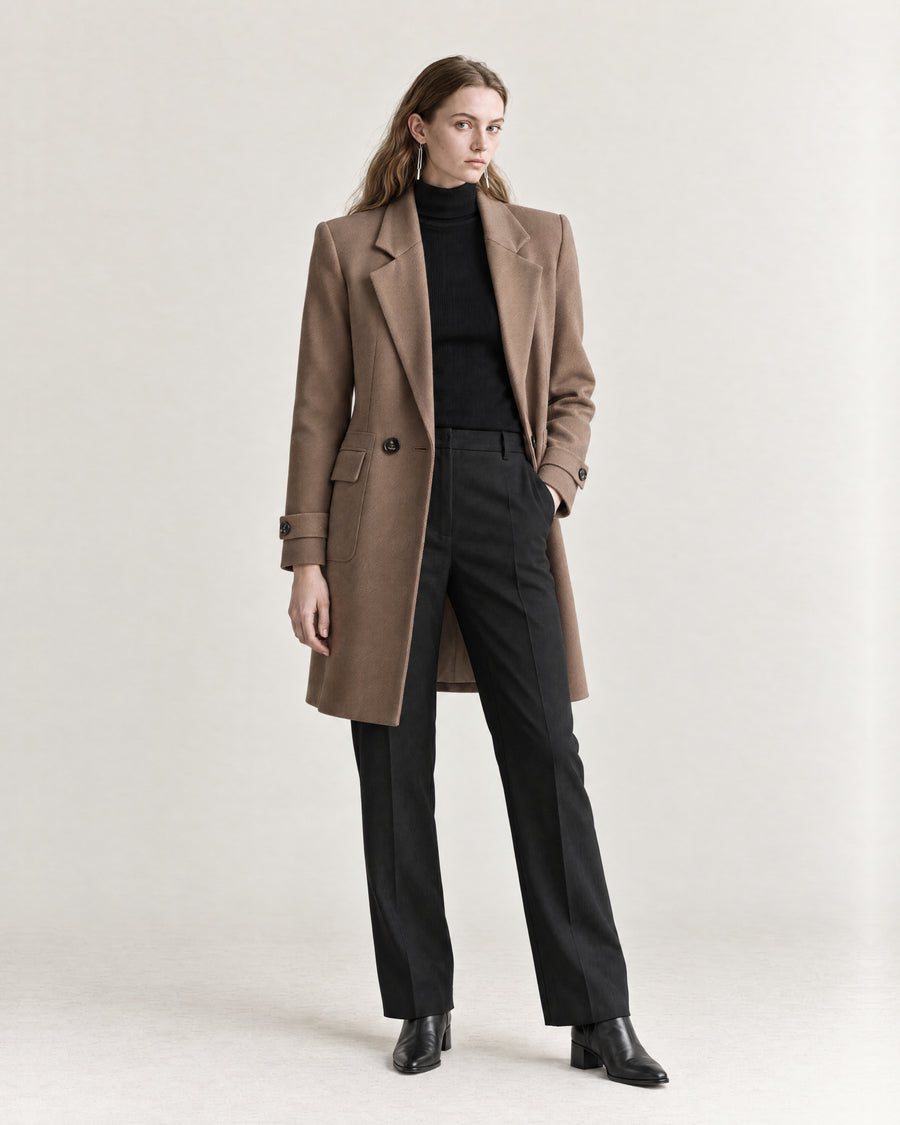
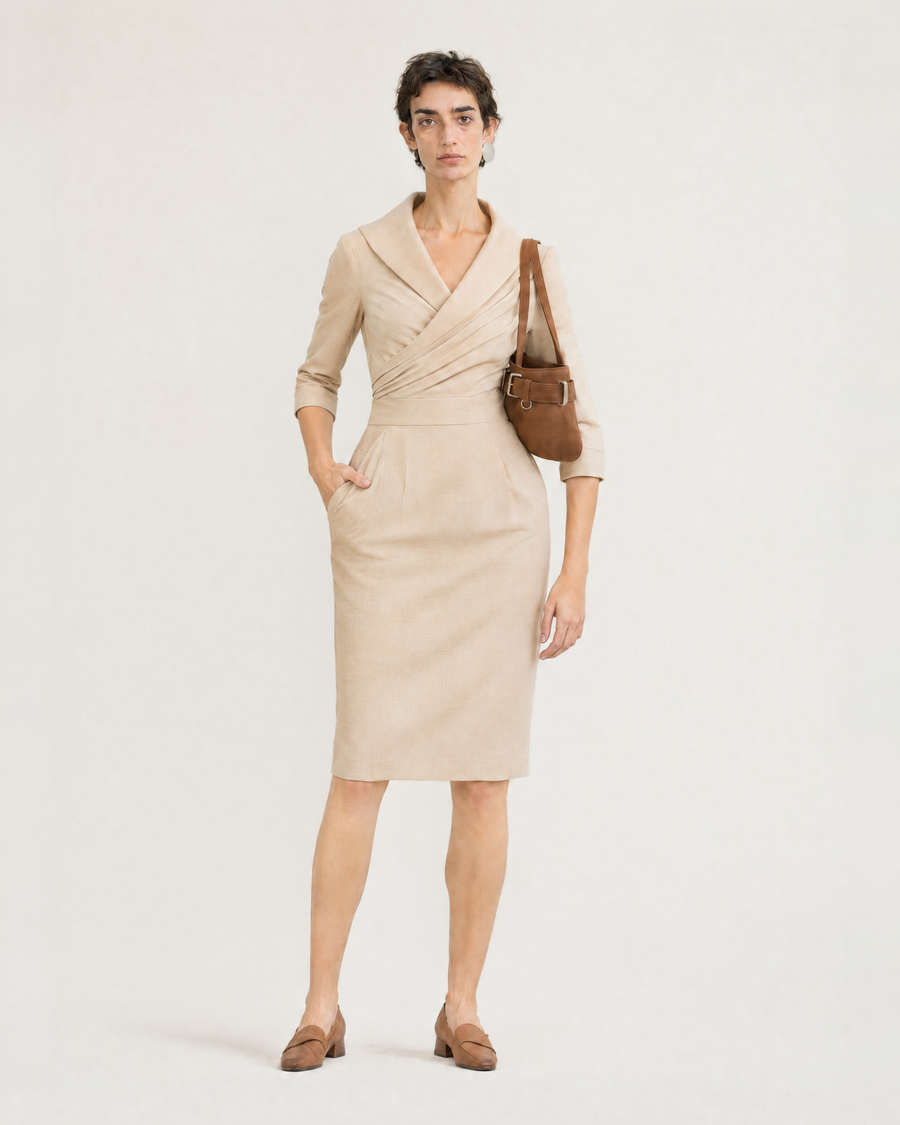
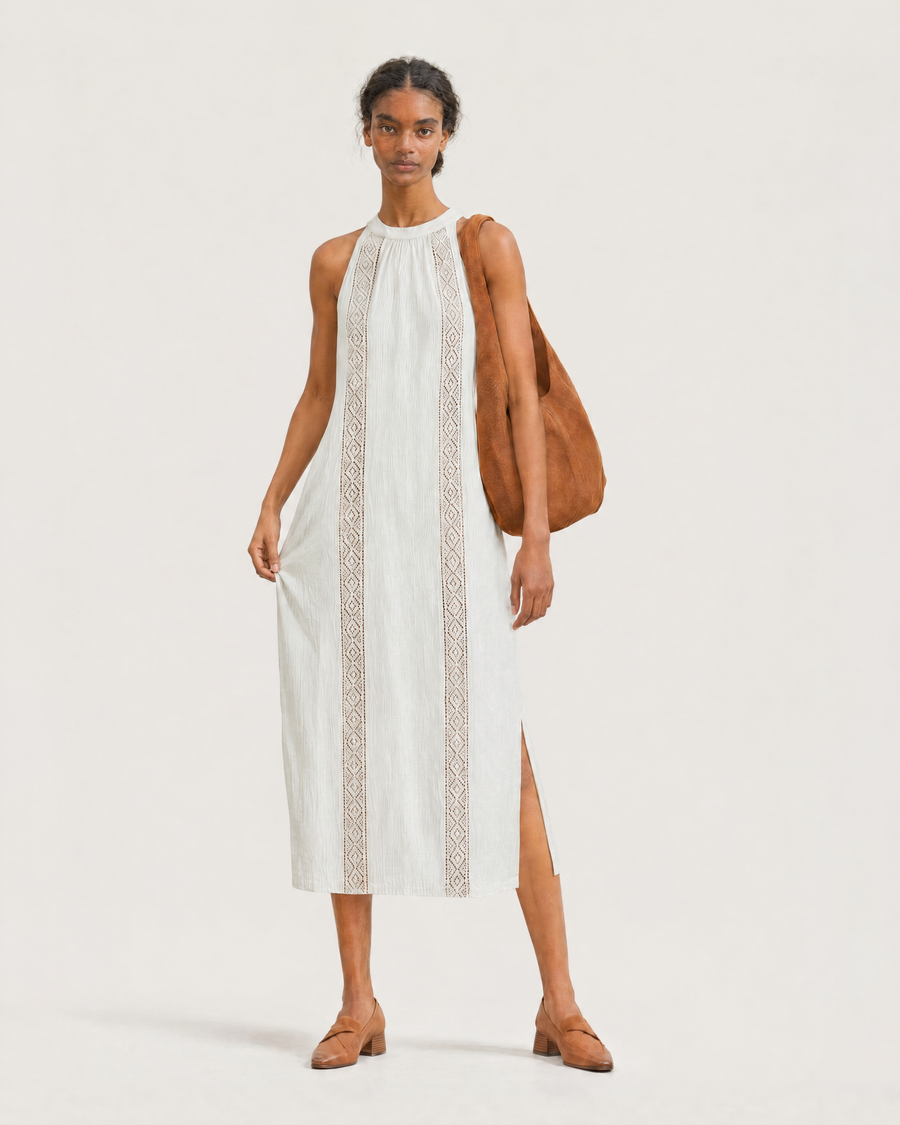
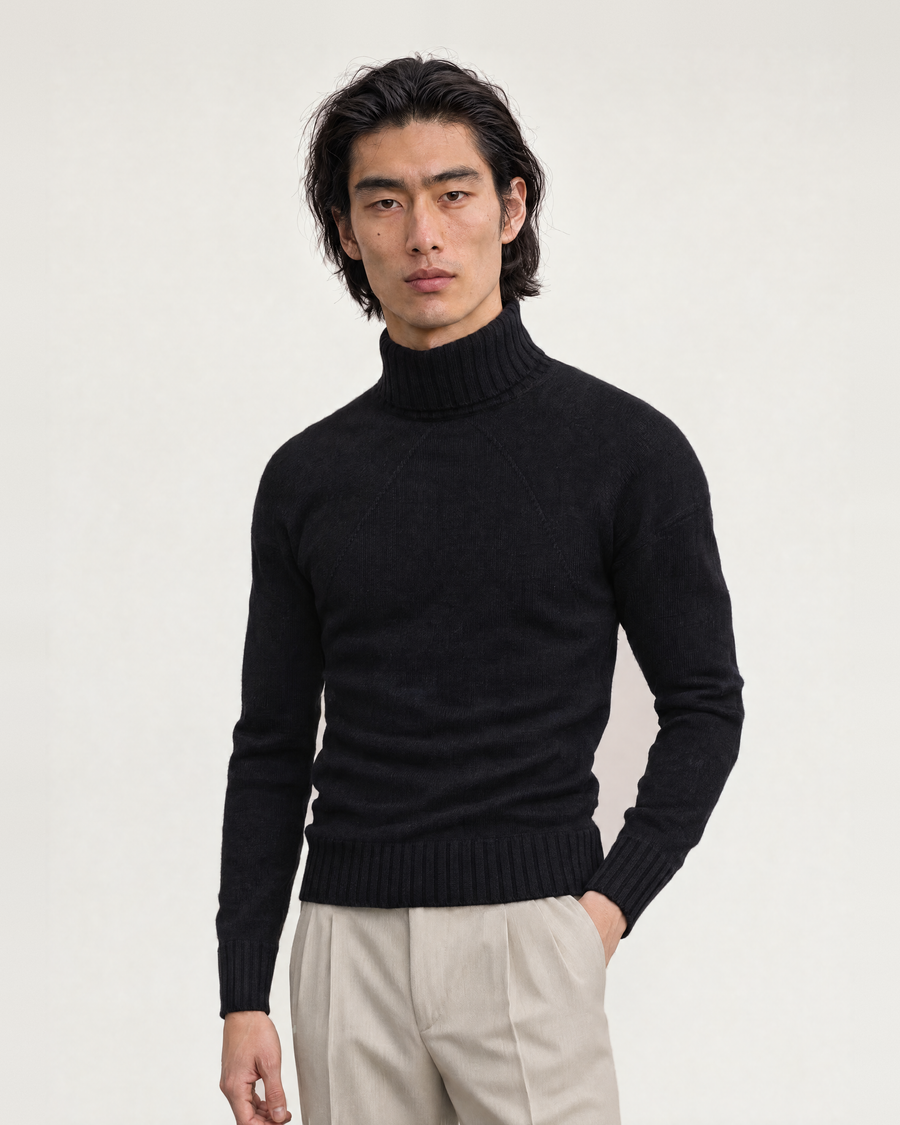
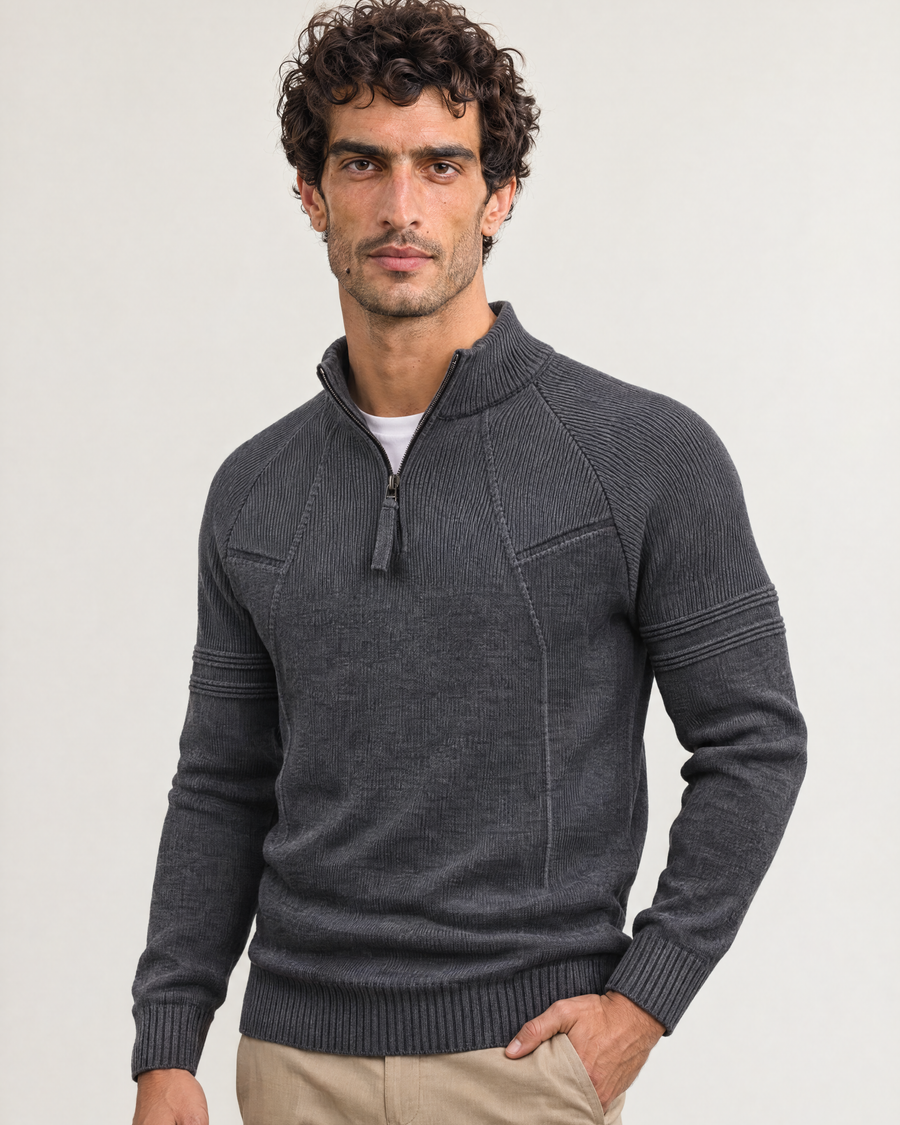
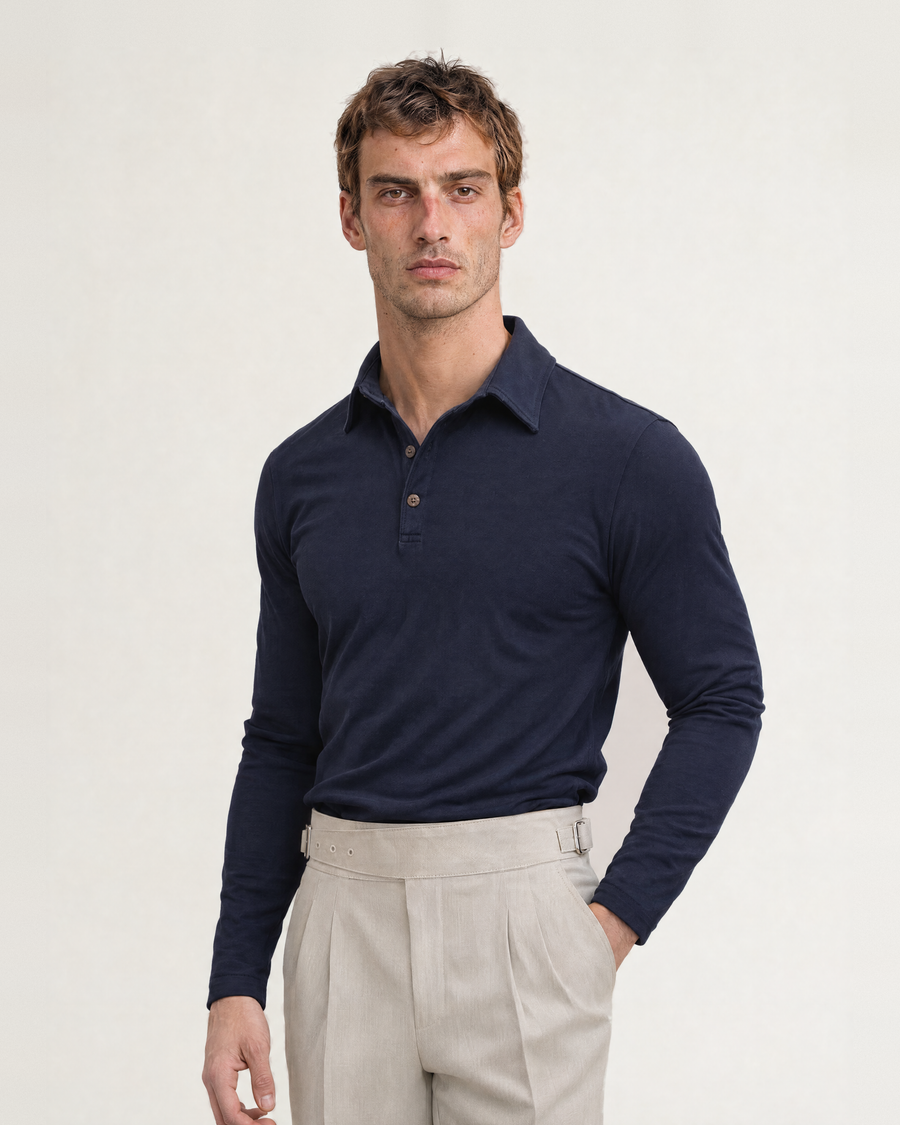
After the choosing comes the studio, where a piece is dressed as you might wear it. Every look is set in the same quiet light. We show it six ways: from the front, from behind, up close, turned, in a full look and on its own.
You will meet the same few faces from page to page. We chose them as slowly as the clothes, so that the house looks like one house. Before we use a picture, we check it against the garment’s measurements, its seams and its true color. One that flatters more than it tells is made again. The studio is slow, and not every piece has been through it yet.
A young man once came to Epictetus overdressed. The philosopher told him to know first who he was, and then to dress accordingly. The first part is yours. The second is our work.
The first kindness
Wherever there is a human being, there is an opportunity for a benefit.
Seneca wrote that a kindness is given sponte sua, of its own accord. Sponte is the word on our crest. For a house like ours, the first kindness is the truth. Flattery can sell a thing once. Only the truth brings anyone back.
We give a piece’s measurements wherever we have them. If we know a piece runs small, we say so before you buy. And if a measurement you need is missing, we will ask the supplier for it.
One swallow
True hope is swift, and flies with swallow’s wings.
Shakespeare gave hope a swallow’s wings. Aristotle, more careful, wrote that one swallow does not make a spring. Both were right.
A young house lives on hope, but it is made slowly, one swallow at a time. Stay as long as you like. And if one spring you find your way back to this door, we will not ask what brought you. We will know.

The door is open. Come in.